Highlighting the diversity and growth of maternal and child health research in Ireland
| 12 November, 2019 | Marita Hennessy |
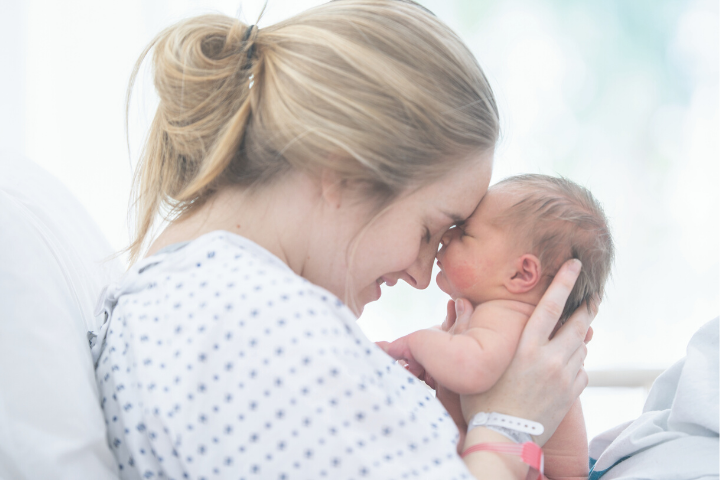
Image credit: iStock/FatCamera
Presenting the new collection ‘Maternal and Child Health’ on HRB Open Research, a space dedicated for research on child health and development and mothers’ health and wellbeing.
Irish research is making an important contribution nationally and internationally in maternal and child health. In this Q&A with the collection advisor, Marita Hennessy, NUI Galway, she explains why the collection was created and the benefit of bringing together research from a range of disciplines to improve maternal and child health.
As the collection advisor, please tell us why this collection is important to you and what you hope it will achieve?
Improving the health and well-being of mothers and children, particularly at critical stages in the life course such as pregnancy and early childhood, is key to promoting health. Irish research in maternal and child health is making an important contribution to research, policy and practice both nationally and internationally. This collection aims to showcase the depth and breadth of such work.
Given that a range of health care, social, economic and biological issues influence maternal and child health, multifaceted approaches are needed to improve them. This collection aims to bring research from a range of disciplines together, including: midwifery, nursing, obstetrics, gynaecology, prenatal medicine, neonatology, pediatrics, nutrition, psychology, epidemiology, public health, dentistry, health policy, health economics, and sociology.
I hope this collection draws attention to the importance of maternal and child health research, enabling the translation of research into policy and practice, in addition to the importance of investing in research in this area.
Why did you decide to publish on HRB Open Research?
I decided to publish on HRB Open Research as it enabled my colleagues and I to share our work openly, immediately, and with a broad community. In the case of our open letter, this was important as we wanted to generate a timely discussion around conflicts of interest in public health nutrition research. With our systematic review of external validity reporting in health professional-delivered obesity prevention interventions during the first 1,000 days, we wanted to raise the issue of how generalisable interventions are to populations or settings beyond those in the original study, given gaps in translating research evidence into practice.
In this review, we found that reporting of external validity elements varied. Elements that were poorly described included: representativeness of individuals and settings, treatment receipt, intervention mechanisms and moderators, cost effectiveness, and intervention sustainability and acceptability. We highlighted the need for greater emphasis on research designs that consider generalisability, and the reporting of factors that could enhance translation and scale-up of interventions.
What do you think are the benefits of the HRB Open Research’s open research model and post publication peer review?
As an early career researcher, I was initially hesitant about publishing on a platform such as this – having my research out there for the world to see, prior to peer review, was quite daunting. After much deliberation, I mustered up the courage and made a submission. The whole process from submission to final publication was a really positive, professional experience. I particularly liked the transparency of it all, and the prompt and constructive reviews received.
I also appreciate the value of having the work open access so that anyone, anywhere across the world, regardless of their means or position, can view it, immediately.
As an early career researcher how does this platform help you at your stage of your career and development?
HRB Open Research allows me to share my work openly and immediately, and receive constructive feedback from internationally-recognised peers within a short time-frame. This is beneficial as an early career researcher as it keeps you motivated, engaged and supported in the process.
What research can be found in the collection?
The first collection of papers in the collection highlights the diversity and growth of maternal and child health research in Ireland, from systematic review and trial protocols to research articles.
Atal and Dunne report the findings of a study within a trial which assessed understanding of informed consent among pregnant women with gestational diabetes mellitus. They found that, while critical components of consent like voluntarism, randomisation, withdrawal, and benefit to others were well understood, domains related to non-standard nature of treatment, additional risks/discomforts, and compensation were not.
The impact of maternal stress is the focus of two systematic review protocols: Manzari et al investigate prenatal maternal stress and risk of neurodevelopmental disorders in the offspring, while Cooney et al explore the relationship between maternal stress during pregnancy and up to two years after birth and risk of child overweight and obesity. Factors that influence family and parental preferences and decision making for unscheduled paediatric healthcare is the focus of a systematic review protocol by Nicholson et al.
McCrann et al report the protocol of the Myopia Outcome Study of Atropine in Children (MOSAIC) study, a randomised clinical trial (RCT) investigating the efficacy, safety and mechanisms of action of 0.01% atropine for managing progression of myopia. James et al outline a Clinical Fieldwork Protocol for the Fluoride And Caring for Children’s Teeth (FACCT) study, which aims to evaluate the impact and the outcome of the change in community water fluoridation policy (2007) on dental caries and enamel fluorosis in Irish schoolchildren, as well as the change in policy on the use of fluoride toothpastes (2002).
If you are HRB funded grantee and are interested in submitting to the Maternal and Child Health collection please submit here– we’d love to feature your work!