Demystifying Open Science and Empowering Advocacy – a two-day workshop for early career researchers in health research
| 24 April, 2019 | Elaine Toomey |
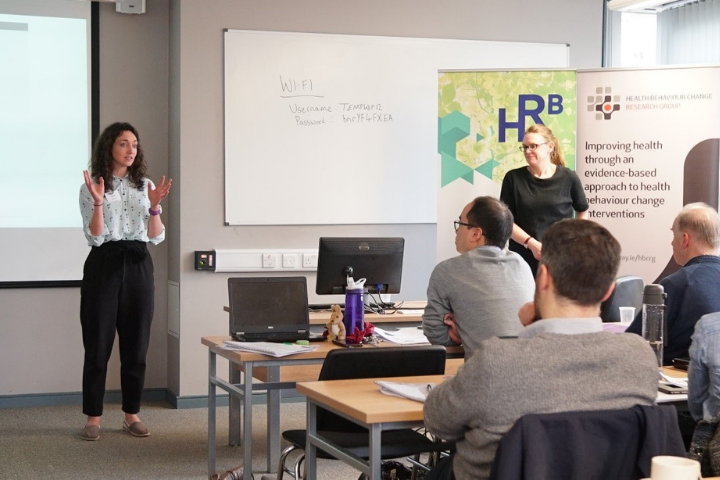
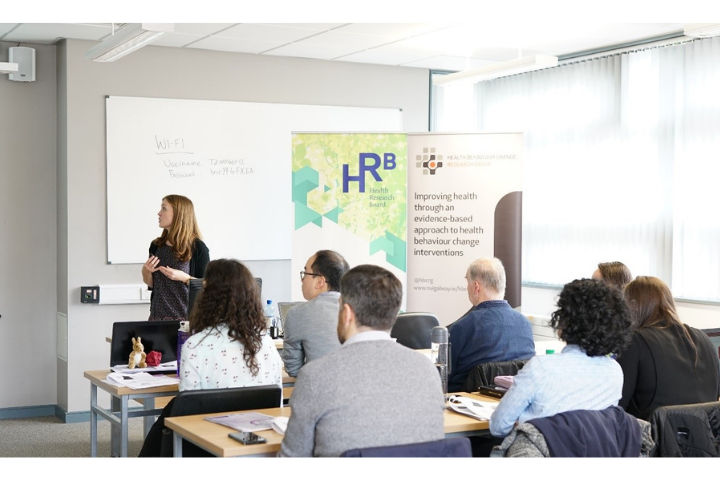
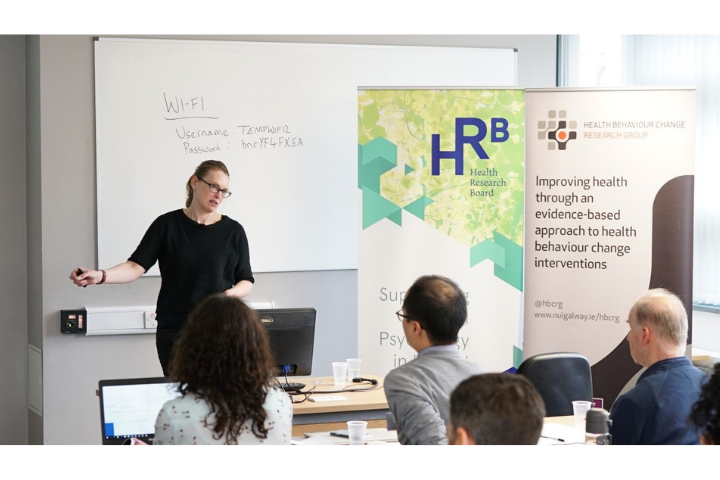
Dr Elaine Toomey welcoming participants to the two-day workshop
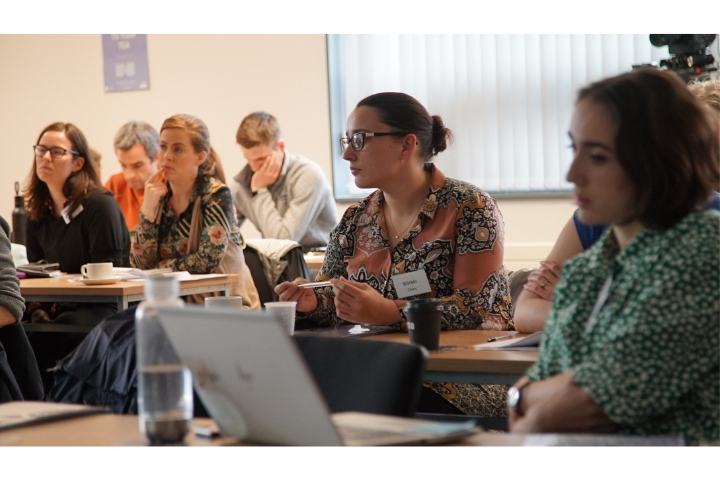
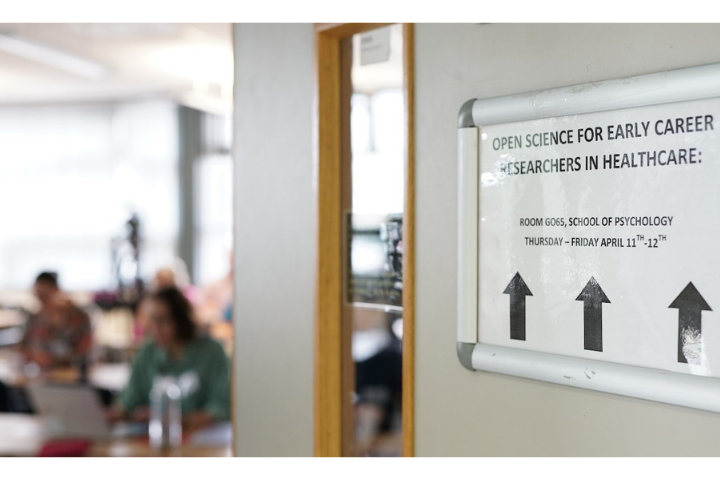
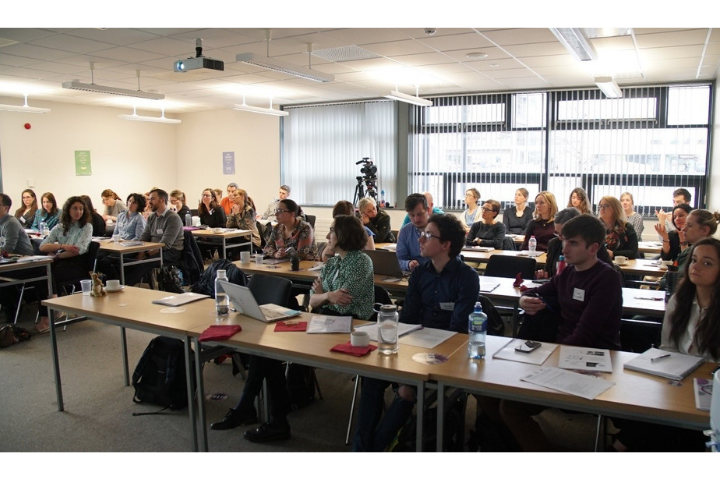
Early career researchers (ECRs) from a variety of health-related disciplines and backgrounds came together for an introductory workshop on Open Science on 11th and 12th April 2019 at the National University of Ireland, Galway. Funded by the Health Research Board (HRB) Conference and Events funding scheme, approximately 40 ECRs took part, representing interest and engagement from a variety of national public agencies and institutions.
The two-day workshop took place at the end of Ireland’s first ever Open Science Week, which showcased events across the spectrum of Open Science, including Open Data, Open Access, Open Education and Citizen Science.
To kickstart the event, Dr Peter Murray-Rust from the University of Cambridge, UK, opened the event with a passionate and enthusiastic talk on the power and potential of ECRs to change the future of science. An international icon in the field of Open Science, Dr Murray-Rust showcased a number of exemplars and pioneering ECRs in the field, and also introduced us to the idea of Open Software and machine learning for enhancing collaboration and efficiency.
Next up, Dr Hopin Lee from the University of Oxford, UK, gave a fantastic overview of pre-registration and a tale of two worlds – the world of ‘sloppy science’, versus the ideal of good science, done for the right reasons. Dr Annalisa Montesanti and Aileen Sheehy from the HRB then followed with an engaging and entertaining session on FAIR data and how to begin planning a data management plan, as well as an update on national Open Science initiatives.
National University of Ireland, Galway’s own Dr Chris Noone reinvigorated participants after lunch with a session on reproducibility, and a nod to the ReproducibiliTea movement. Taking a slightly different approach, Dr Karen Matvienko-Sikar from University College Cork then looked at a more applied health research approach, by taking us through Core Outcome Sets and their important role in Open Science and transparency.
Finally, Dr Sile Lane from SenseAboutScience wrapped up Day 1 with an inspiring session on clinical trial registration and reporting, and the impact that one action can have, such as the International Committee of Medical Journal Editors’ policy which effectively changed the landscape of trial registration.
The next day dawned bright and early, and Vicky Hellon from F1000 and the HRB Open Research publishing platform took us through the world of open access and publishing. This session was particularly insightful in terms of its overview of the history of publishing, including the origins of the current publishing model and the emerging innovations and initiatives.
Professor Declan Devane from the HRB Trials Methodology Research Network and Cochrane Ireland then took us through research waste and reporting, with more examples of open science applied specifically to health research. After two parallel workshops on pre-registration (led by Dr Hopin Lee) and reproducible workflow (led by Dr Chris Noone), the two days ended with an interactive panel discussion which looked to sum up the challenges and potential solutions to Open Science for ECRs in health research.
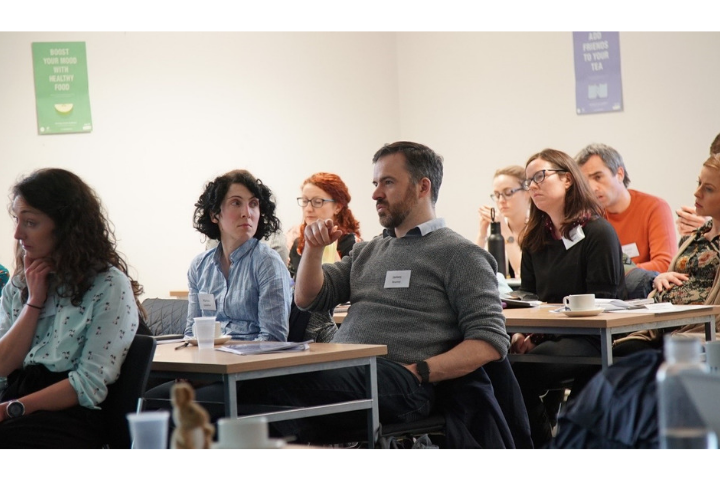
Across the two days, a variety of concepts and ideas were presented by the speakers – from the more in-depth ‘fundamental’ Open Science aspects of pre-registration and reproducibility, to applying the ethos of ‘open-ness’ into health research and conducting specific activities, such as developing and using core outcome sets, and conducting appropriate trial registration and research reporting.
Underlying all of the sessions seemed to be a call for doing ‘good science’ across the full research pipeline and creating an ideal world. Most striking was the call for advocacy, and the power of community where stakeholders, e.g. peer reviewers, funders, journal editors, researchers, principal investigators, members of the public and ECRs, all have an important part to play in creating this ideal world of good science.
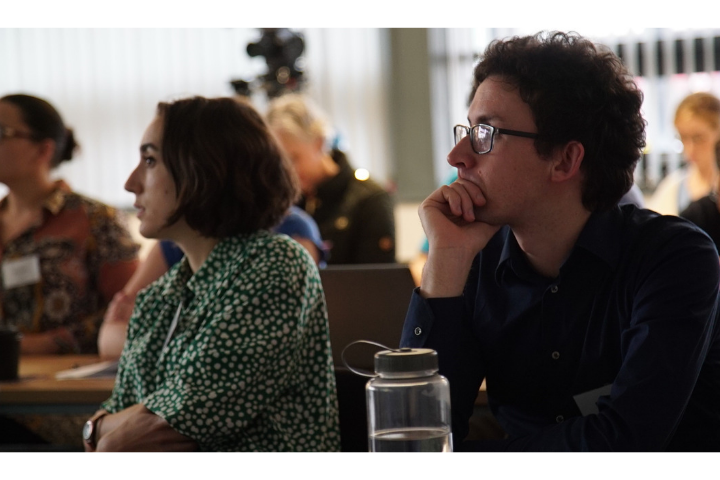
Perhaps the most exciting and inspiring aspect of this workshop was the level of engagement, interaction and enthusiasm from all who attended and participated in the event. Over the two days, there seemed to be a genuine ethos of openness and collaboration from the ECRs present, and a willingness to work for this ‘ideal world’. Ensuring that health research science is open, accessible and usable is crucial in order to achieve the greatest possible impact for patients and end users, but making science open also requires an important cultural shift.
Our workshop aimed to demystify the different aspects of Open Science for early career researchers working in health research in Ireland, and in doing so, to cultivate a generation of future Irish health researchers who are passionate and knowledgeable about open science principles and ideals, to facilitate a cultural shift towards openness. I think we achieved our objective, and hopefully will see more like this in the future!