Personhood and improving person-centred care for those living with dementia
| 20 November, 2018 | Niamh Hennelly |
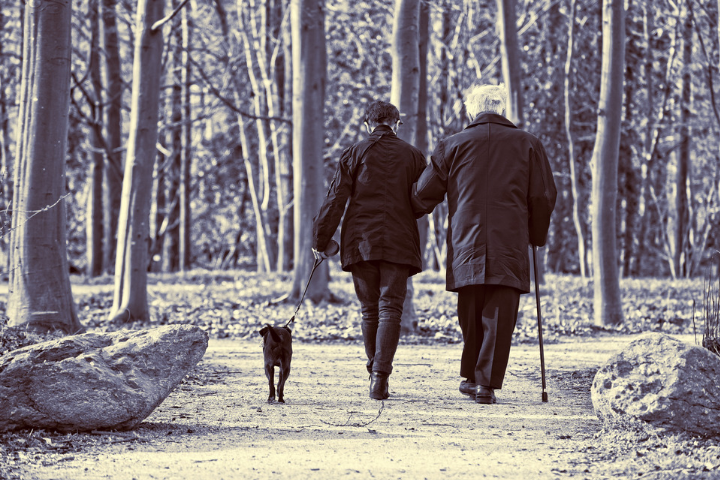
Niamh Hennelly, National University of Ireland, Galway, discusses her study protocol examining the importance of the sense of self and what personhood means to people living with dementia.
Why personhood in dementia is important?
Personhood in dementia is about ensuring that a person with dementia is treated as a person first and foremost, with dignity and respect and in a manner that supports their sense of self. The concept dates back to work by Tom Kitwood and Kathleen Bredin in the 1990s. Prior to this, the predominant belief was that the person with dementia was no longer a person and had diminished personhood.
This belief had potentially devastating consequences for the person with dementia in terms of how they were treated by those around them and consequentially the care provided to them. The work of Kitwood, Bredin and others such as Sabat and Harré proved this to be untrue. Slowly, these beliefs have changed. Now the emphasis is on reducing stigma and ensuring that the voice of the person with dementia is heard and supported.
Many more people with dementia are coming forward as self advocates and articulating what matters to them and how personhood can be supported by those around them, including their families, communities and wider society. This has resulted in an evolutionary process in relation to how we imagine dementia and provide care to people with dementia.
The focus is now on person-centred care (PCC). PCC is about care that is explicitly designed around the needs and preferences of the person with dementia, with the focus on what is important to them in their lives. The primary goal of PCC is to support the personhood of the person with dementia and as a result empower people with dementia to live well with dementia and enjoy a good quality of life.
What is the aim of your protocol?
This work aims to provide a synthesis of qualitative research on personhood in dementia, particularly in the context of different care settings. This will be carried out by searching the existing evidence in relation to the meaning and content of personhood in dementia in care settings, assessing the quality of this evidence and synthesising the studies to capture an overall perspective.
This work is important as it will allow us to understand what matters most to people with dementia and what is important to their personhood. This understanding is crucial to informing decisions around care provision and care design.
Shaping care and support for people living with dementia
It is essential that we design supports, services and care around the person with dementia that reflect the inherent identity, self and dignity of the person. This design must be informed by the voice of the person with dementia themselves.
This research focuses exclusively on the opinions and perspectives of people with dementia with the belief that to truly understand the experience of dementia you must ask the person with dementia.
Ultimately, care that is structured and designed without understanding and acknowledging the experience and perspective of the person with dementia cannot claim to be person-centred.
Why did we decide to publish HRB Open Research?
Submitting this work to HRB Open Research was an easy decision. The format of the HRB Open platform appealed to us in several ways. The process from submission to publication was quick, straight forward and professional. The HRB Open Research team made the process seamless from initial drafts, to suggesting reviewers to publishing online.
What appealed to us also is that it is open access research, meaning the work was more widely accessible. The peer review process was also open and insightful. Finally, we were delighted when we discovered that HRB Open Research accepts protocols as this is not always the case.
Publishing protocols is really important for transparency in the research process and to avoid duplication of work. This was definitely one of our most pleasant publishing experiences!